
What Is Mezcal: The Complete Guide to Mexico’s Smoky Spirit
Forget everything you think you know about agave spirits. Mezcal isn’t just tequila’s smoky cousin: it’s a craft, a culture, and a connection to Mexico’s roots. From the rugged mountains of Oaxaca to the heart of modern cocktail bars, mezcal has become one of the most talked-about spirits in the world.
But what exactly is mezcal? And why is everyone suddenly sipping it neat, not shooting it? This guide breaks down everything from mezcal’s origins and how it’s made, to how it differs from tequila and how to enjoy it properly.
What Is Mezcal?
Mezcal is a distilled spirit made from the agave plant, native to Mexico. The word “Mezcal” comes from the ancient Nahuatl language: Mexcalli, meaning “cooked agave.”
While Tequila is technically a type of Mezcal, not all Mezcal is Tequila. The difference lies in the variety of agave used, the regions where it’s made, and the production process. Mezcal can be made from more than 30 varieties of agave, though the most common is Espadín. Each variety, and even each region, gives the spirit its distinct character.
How Mezcal Is Made?
The magic of mezcal begins with agave hearts, or piñas, harvested after 7–15 years of growth. Here’s how it transforms from plant to spirit:
1. Harvesting the Agave
Jimadores (harvesters) carefully remove the agave’s leaves, exposing the heart of the plant.
2. Cooking the Agave
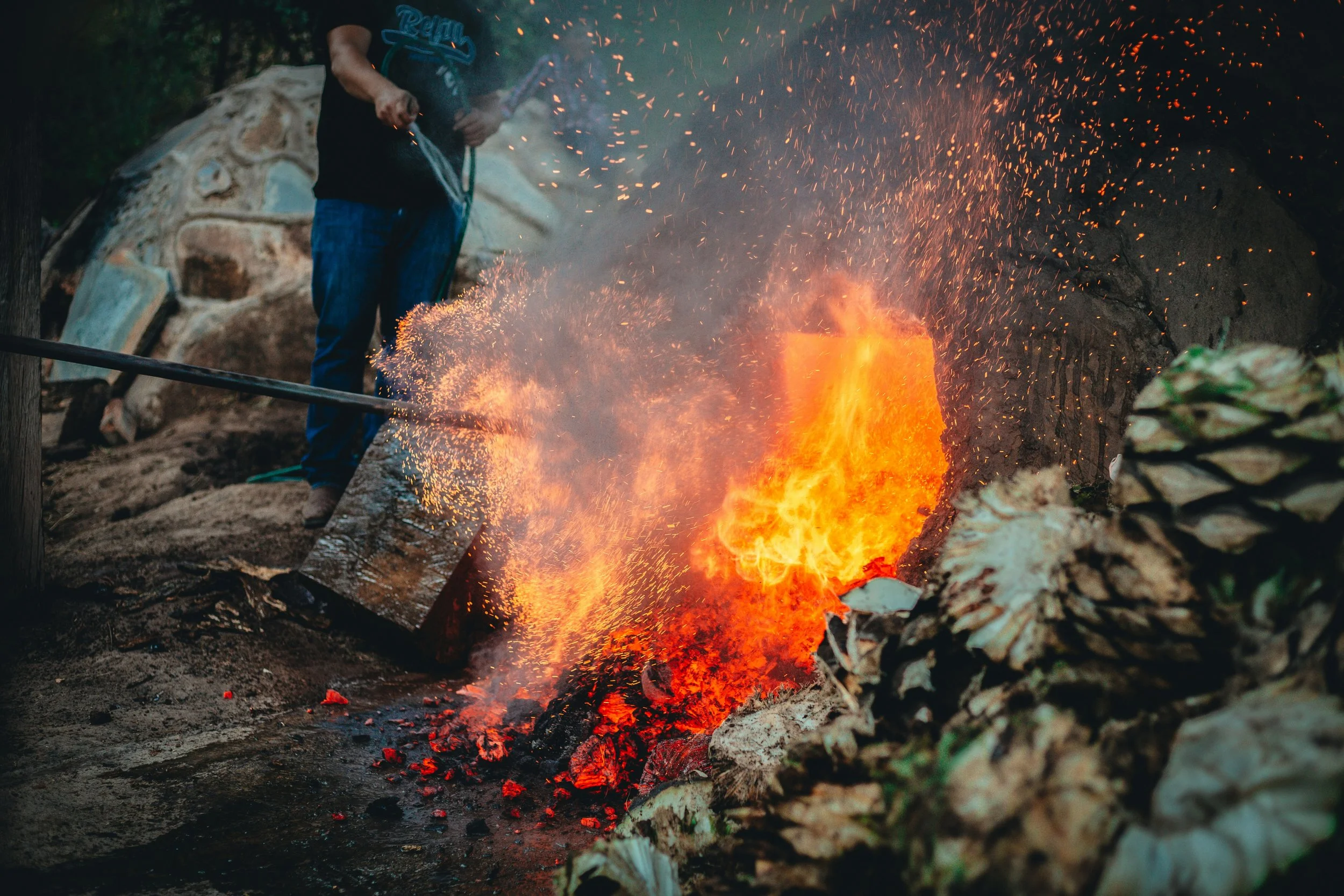
This is where mezcal’s signature smoky taste comes from. The agave hearts are roasted in underground pit ovens, layered with volcanic rocks and wood. This slow roasting caramelises the agave and infuses it with deep, smoky notes.
3. Crushing and Fermentation
After roasting, the agave is crushed, traditionally with a stone wheel pulled by a horse and left to ferment naturally in wooden vats using wild yeasts.
4. Distillation
The fermented liquid is distilled, usually twice, in small copper or clay stills. The result is a spirit that captures the essence of agave, smoke, and the hands that made it.
Where Mezcal Comes From
While Mezcal can technically be made in nine Mexican states, Oaxaca is its spiritual home producing over 80% of all Mezcal today.
Other notable Mezcal-producing regions include:
Durango
Guerrero
Zacatecas
San Luis Potosí
Puebla
Each region offers unique flavour profiles depending on agave species, soil, and climate, much like how wine reflects its terroir.
Types of Mezcal
Mezcal is often categorised based on how it’s produced:
Mezcal Artesanal: Crafted using traditional methods with some modern tools.
Mezcal Ancestral: The purest form: everything made by hand, even distillation in clay pots.
Mezcal Industrial: Produced with modern machinery; less smoky and more uniform.
You’ll also find terms like:
Joven (young): Clear, unaged mezcal.
Reposado: Aged in oak barrels for 2–12 months.
Añejo: Aged for at least one year, offering rich, woody flavours.
How to Drink Mezcal
Traditionally, Mezcal is sipped neat, not mixed or shot. The best way to appreciate it:
Pour a small amount into a clay copita or short glass.
Inhale gently to catch the aroma.
Take small sips, letting the smoky flavour linger.
Pair with orange slices and sal de gusano (worm salt) for an authentic Oaxacan ritual.
Why Mezcal Is So Special
Beyond taste, Mezcal represents:
Tradition: Each bottle tells a story of families who’ve made it for generations.
Sustainability: Many mezcaleros now focus on replanting agave and preserving biodiversity.
Connection: It brings people together whether in celebration, reflection, or storytelling.
As mezcal grows in global popularity, brands like Meztara honour this legacy while introducing new audiences to its artistry.
… Final Thoughts
So what is mezcal? It’s not just a smoky spirit. It’s history in a bottle, connecting Mexico’s land, people, and tradition.
Whether you’re new to mezcal or already a fan, take your time with it. Sip slowly. Appreciate the smoke, the earth, the story.
And next time someone asks “What’s mezcal?”, you’ll know exactly what to say.
