
How Mezcal Is Made: From Agave to Glass
Mezcal has become one of Mexico’s most celebrated spirits, known for its craftsmanship, rich flavours, and deep cultural roots. At Meztara, Mezcal is the heart of our Mezcalita, so we wanted to share a bit about how this remarkable spirit is created. The article below is a clear, friendly look at the traditional mezcal-making process.
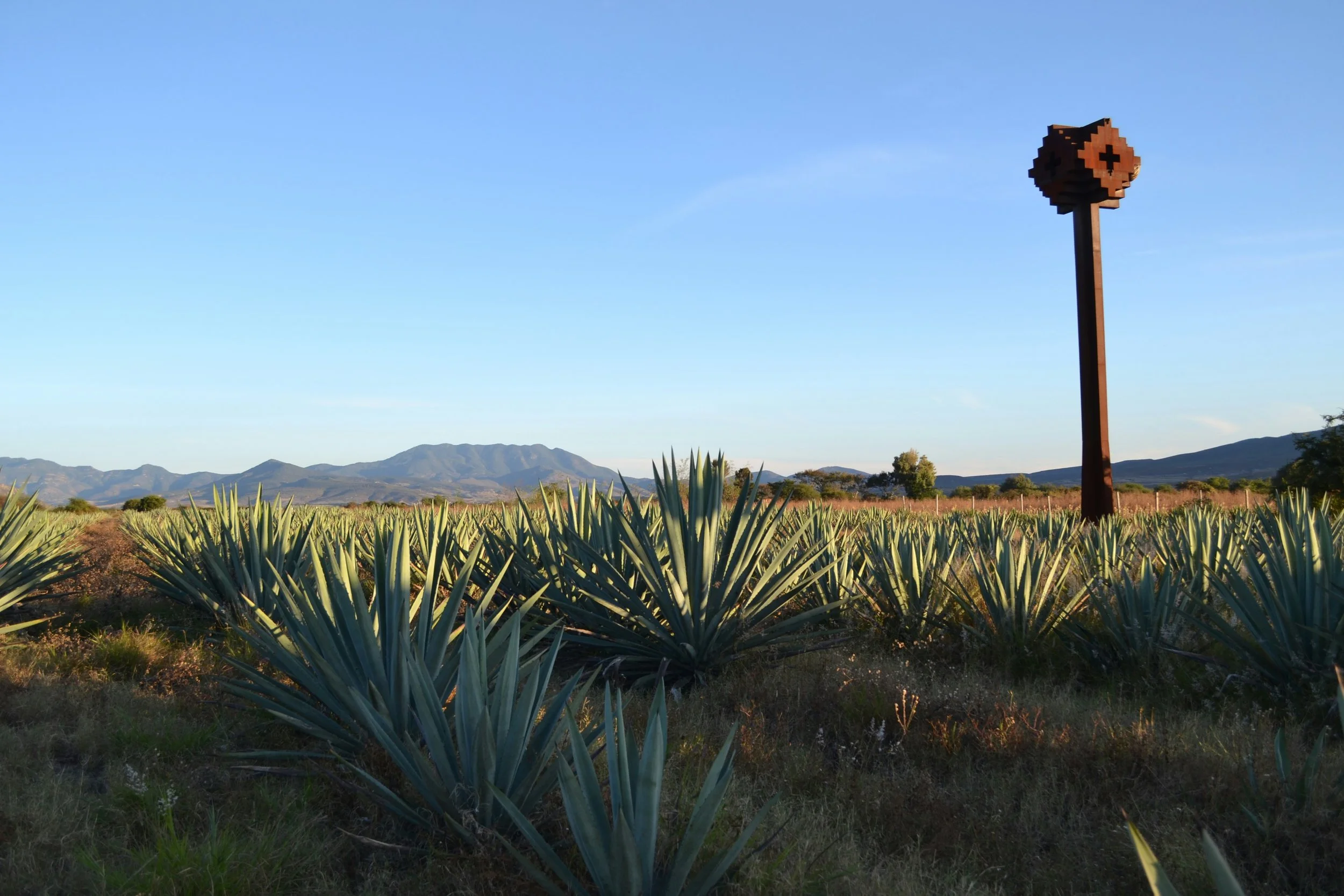
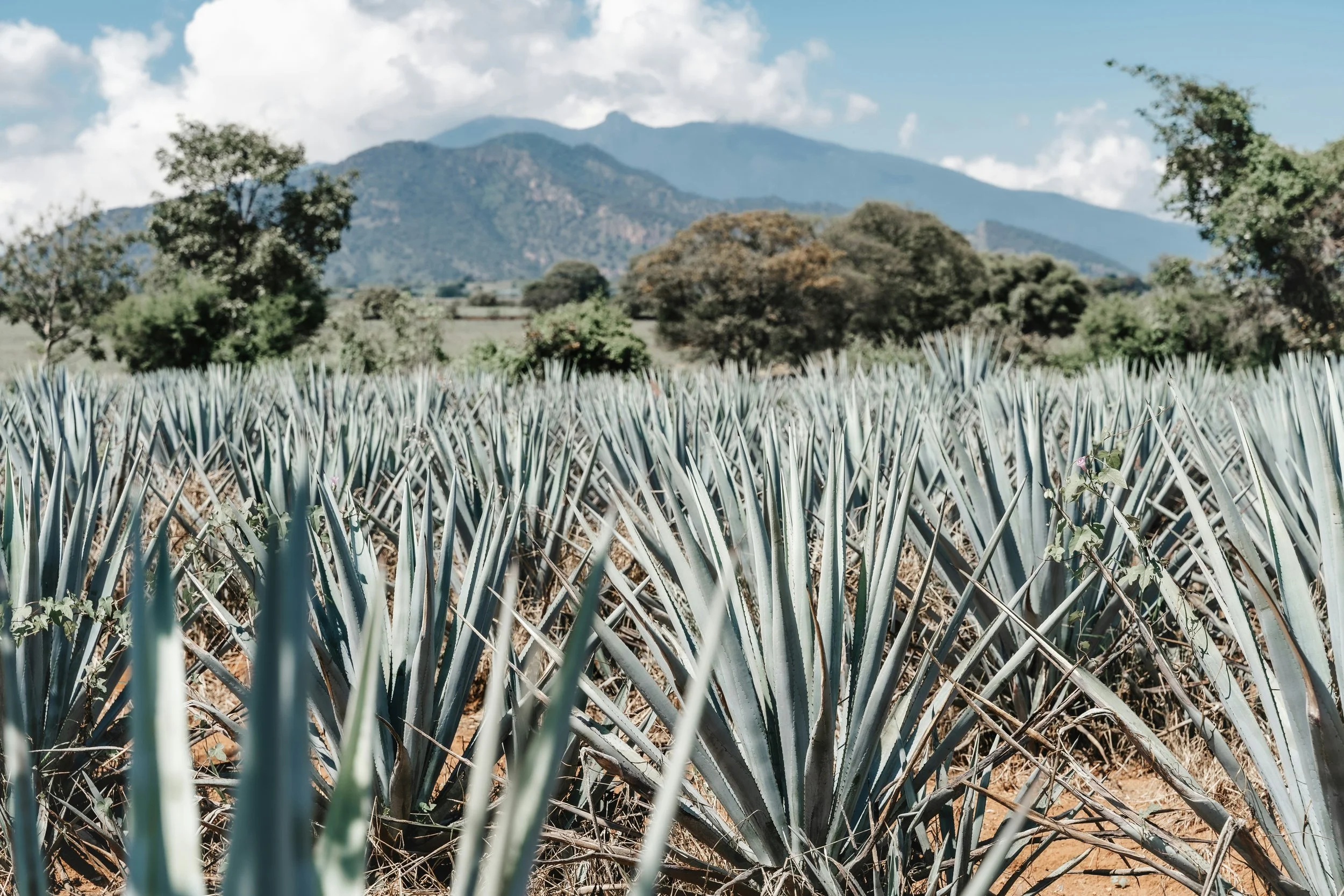
It All Starts with Agave
Mezcal is made from agave plants — hardy, desert-grown succulents that take between 7 and 25 years to fully mature. Unlike spirits made from grains or fruits, mezcal relies on slow-growing raw material, which means every bottle carries decades of natural growth in its flavour.
There are over 40 species of agave used for mezcal, each contributing its own character. Espadín is the most commonly used, known for its balance and versatility.
Harvesting the Piñas
Once an agave plant reaches maturity, the jimadores (harvesters) remove the sharp leaves to reveal the heart of the plant — the piña, named because it looks like a giant pineapple.
These piñas can weigh anywhere from 20 to over 100 kilograms. Quality harvesting is crucial, as it sets the foundation for the flavours that will develop later on.

Earth-Oven Cooking
Traditional mezcal is cooked in a stone-lined, underground pit oven. The piñas are slow-roasted over hot rocks and covered with agave fibres and earth. This slow cook, often taking several days, caramelises the natural sugars and gives mezcal its signature smoky, earthy character. It’s this step that truly distinguishes mezcal from other agave spirits.
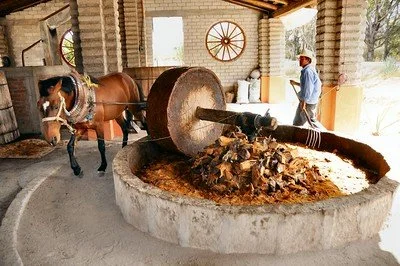
Crushing the Cooked Agave
Once cooked and cooled, the sweet, smoky agave is crushed to extract its juices. Many traditional producers still use a tahona, a large stone wheel pulled by a mule or small tractor. Others use more modern mechanical mills.
Regardless of the method, the aim is the same: break down the fibres to release the fermentable sugars.
5. Natural Fermentation
The crushed agave pulp (known as mosto) is placed into wooden or stone vats. Instead of adding commercial yeasts, many mezcaleros rely on wild, naturally occurring yeast to kick off fermentation.
This process can take anywhere from a few days to a couple of weeks, depending on temperature, climate, and the agave variety. This is where a lot of the mezcal’s unique personality develops.
6. Small-Batch Distillation
After fermentation, the liquid is distilled, most commonly in copper or clay stills.
Distillation usually occurs twice to concentrate flavours and reach the desired alcohol level.
Clay stills tend to produce earthy, rustic profiles, while copper stills create cleaner, more refined spirits. Both are traditional and respected
7. Resting or Bottling
Depending on the producer, mezcal may be:
Joven (young) — bottled straight away for pure, fresh agave flavour
Reposado — rested in oak for 2–12 months
Añejo — aged in oak for at least a year
Most artisanal mezcal, including the type used in our Mezcalita, is joven, allowing its natural character to shine through in cocktails and ready-to-drink serves.
Why It Matters for Mezcalita
At Meztara, we’re proud of the heritage behind the mezcal that goes into every Mezcalita can. The craft, the patience, and the generations of knowledge make mezcal more than just a spirit — it’s a living tradition.
Understanding this process helps explain why mezcal is so special, and why the flavours in Mezcalita are unlike anything else you’ll find in a ready-to-drink cocktail.
