
The Spirit of Oaxaca: The Culture Behind Mezcal
When you crack open a Mezcalita, you’re tasting far more than a refreshing mezcal margarita. You’re experiencing centuries of tradition from one of Mexico’s most culturally rich regions: Oaxaca. This southern state is the heartland of mezcal production, where ancestral knowledge, local identity and artisanal craft all come together in every drop.
In Oaxaca, mezcal isn’t just a drink. It’s a cultural symbol. It’s a connection to the land, the people, and the stories that have shaped the region for generations.
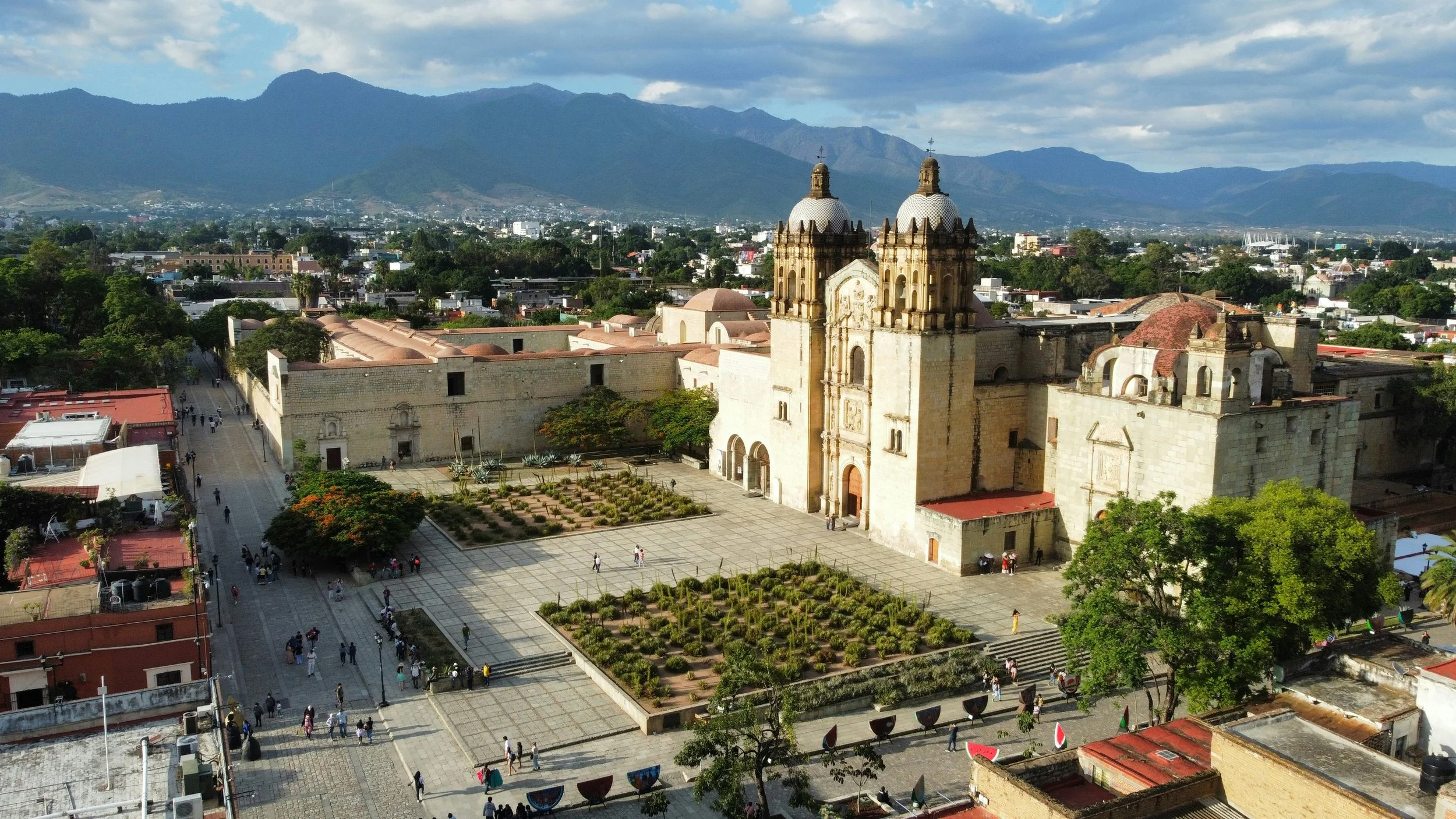
A Land of Ancient Traditions
Oaxaca is known for its deep Indigenous heritage, with 16 recognised ethnic groups including Zapotec, Mixtec, and Mazatec communities. Across valleys and mountain ranges, families have passed down mezcal-making techniques for hundreds of years, long before “craft spirits” became a trend. For many Oaxaqueños, mezcal is woven into everyday life. It marks celebrations, rituals, blessings, and gatherings. It is a drink shared with guests, a symbol of respect, and a reminder that time moves slowly when things are made by hand.
The Agave: A Plant with Soul
The heart of mezcal is the agave, known locally as “maguey.” Oaxaca is home to dozens of agave varieties, each offering its own flavour profile, from earthy and smoky to floral, citrusy or mineral.
Growing an agave is an act of patience. Some species take up to 20 or even 30 years to mature. Farmers nurture these plants across generations, knowing that mezcal’s character begins long before the roasting or distilling.
The reverence for agave runs deep. In Oaxacan culture, the plant symbolises life, resilience, and nature’s generosity. Even today, you’ll hear the saying: “Para todo mal, mezcal; para todo bien, también.”
For every problem, mezcal. For every joy, mezcal too.
Ancestral Craftsmanship
Traditional mezcal production follows artisanal methods that have barely changed for centuries:
Harvest by hand
The agave hearts, called piñas, are harvested with a machete or coa.Cooked in earthen pits
This underground roasting gives mezcal its iconic smoky character.Crushed with a stone mill
Often pulled by a horse or mule, known as a tahona.Fermented naturally
Open-air wooden tanks and wild yeasts create unique flavours.Distilled in small copper or clay pot stills
Each village has its own techniques and secrets.
These practices turn mezcal into more than a spirit, it’s a living craft shaped by environment, climate, and community.
The Role of the Maestro Mezcalero
At the centre of this tradition is the Maestro Mezcalero, the master distiller who carries generations of inherited knowledge. Their skill influences every decision: when to harvest, how long to roast, how to blend agaves, and how to interpret the flavours that develop along the way.
For many families, mezcal is their legacy. Each bottle reflects their land, their history, and their creativity.
Oaxaca’s Flavours in a Modern Twist
Your Mezcalita captures the essence of this heritage while bringing it into a modern, ready-to-drink format. By using authentic mezcal sourced from traditional producers, the product pays respect to Oaxaca’s artisanal roots, offering a crisp, refreshing and high-quality margarita that still honours the craft.
It’s mezcal for today’s lifestyle, without losing the soul of where it comes from.
Why Oaxaca Matters to Mezcalita
Highlighting Oaxaca’s culture isn’t just storytelling, it’s a reminder of the responsibility behind the drink. Supporting traditional mezcal means supporting sustainable agave farming, local communities, and the continuation of a craft that has existed for centuries.
When someone enjoys a Mezcalita, they’re not just tasting a cocktail. They’re connecting with a deep cultural legacy that spans generations.
